Currently Empty: ₹0.00
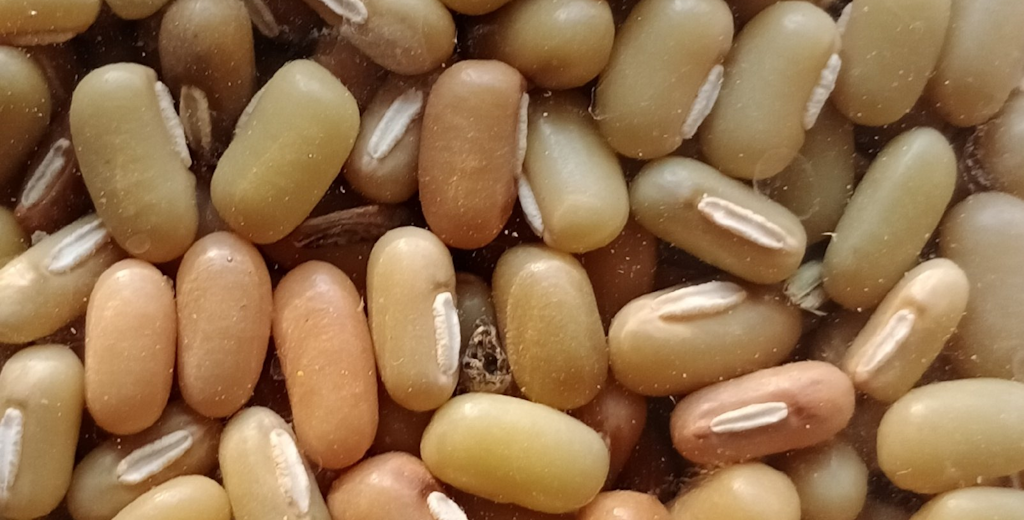
Navrangi Dal is a unique and wholesome mix of nine different pulses, carefully combined to provide maximum nutrition, rich taste, and balanced protein. Deeply rooted in Indian food culture, Navrangi Dal is especially popular in hilly regions like Uttarakhand, where mixed dals have been consumed for generations for strength and health.
What is Navrangi Dal?
Navrangi Dal literally means “nine-colored lentils.” It is a healthy blend of multiple pulses, each contributing its own nutrients, flavor, and texture. When cooked together, these pulses create a delicious, thick dal packed with protein, fiber, vitamins, and minerals.
Common Pulses in Navrangi Dal
The mix may slightly vary, but usually includes:
- Toor Dal
- Chana Dal
- Moong Dal
- Masoor Dal
- Urad Dal
- Rajma (Kidney Beans)
- White Peas
- Black Eyed Beans (Lobia)
- Whole Green Gram
Health Benefits of Navrangi Dal
1. High in Protein
Navrangi Dal is an excellent source of plant-based protein, making it ideal for vegetarians and vegans.
2. Rich in Dietary Fiber
The combination of pulses supports better digestion, prevents constipation, and keeps you full for longer.
3. Helps Control Blood Sugar
With a low glycemic index, Navrangi Dal is beneficial for people managing diabetes.
4. Strengthens Immunity
Packed with iron, zinc, and essential minerals, this dal helps boost immunity and overall stamina.
5. Heart-Healthy
Low in fat and cholesterol-free, Navrangi Dal supports heart health and balanced cholesterol levels.
Traditional Way to Cook Navrangi Dal
Ingredients:
- 1 cup Navrangi Dal
- 3 cups water
- 1 onion (finely chopped)
- 2 tomatoes (chopped)
- Ginger-garlic paste
- Turmeric, cumin, coriander powder
- Salt to taste
- Ghee or mustard oil
Cooking Method:
- Wash and soak the dal for 6–8 hours.
- Pressure cook until soft.
- Prepare a tempering with ghee, cumin, onion, ginger-garlic, and tomatoes.
- Add spices and cooked dal.
- Simmer for 10–15 minutes for rich flavor.
Serve hot with steamed rice or roti.
Why Navrangi Dal from Uttarakhand is Special
Navrangi Dal sourced from Uttarakhand is grown in clean mountain air, natural soil, and traditional farming practices. These pulses are often chemical-free, more flavorful, and nutritionally superior compared to mass-produced alternatives.